
Произведения этого художника в общем каталоге
Биография и творчество
Шарль Амедей Филипп Ван Лоо (1719–1795) — французский живописец из художественной династии Ван Лоо, известный работой при прусском дворе. Учился у отца Жана-Батиста. В 1747 году стал членом Королевской академии, а в следующем году поступил на службу к Фридриху II. Работал в Берлине и Потсдаме, создавая портреты, аллегорические плафоны, исторические и мифологические композиции.
Пребывание в Пруссии прерывалось возвращением во Францию; окончательно поселился в Париже в 1769 году. В 1773–1775 годах подготовил для мануфактуры Гобеленов картоны серии на темы турецкого костюма, включая сцены жизни султанши и одалисок. Камерная сторона его творчества представлена «Мыльными пузырями» и «Камерой-обскурой» 1764 года в Национальной галерее искусства Вашингтона. Обе картины изображают фигуры за условным овальным проёмом, соединяя бытовую сцену с эффектом зрительной иллюзии. Его наследие охватывает придворный заказ, декоративное искусство и интерес к оптическим развлечениям XVIII века.
Место рождения: Риволи. Образование: Академия живописи и скульптуры. Место смерти: Париж.
В подборке представлено произведение «The Camera Obscura» (1764). Собрание: Национальная галерея искусства. Подпись и источник изображения приведены ниже: они позволяют перейти к исходной записи и уточнить сведения о работе.
Его художественное образование связано со следующими учебными заведениями: Академия живописи и скульптуры. Среди учителей художника — Жан Батист Ван Лоо.
Места профессиональной работы художника: Национальная высшая школа изящных искусств.
К наградам художника относятся: Римская премия; Римская премия (1738).
Подготовлено редакцией салона по материалам указанных источников. Открыть основной источник биографии.
Обновлено
- Годы жизни
- 1719 — 1795
- Место рождения
- Риволи
- Образование
- Академия живописи и скульптуры
- Место смерти
- Париж
Связи с художниками
- Жан Батист Ван Лоо
Учитель Источник
Собрания и коллекции
- National Gallery of Art, Washington
- Национальная галерея искусства
- Национальный музей Швеции
- Баварские государственные собрания картин
- Художественный музей Милуоки
- Музей изящных искусств
- Библиотека Хантингтона
- Музей истории Франции
- Musée national du Château de Fontainebleau
- Музей в Вилянуве
- Musée d’art et d’archéologie d’Aurillac
- Calvet Museum
- Музей искусства и археологии (Санлис)
- Museum of Grenoble
- Коллекция Лихтенштейнов
- Музей изящных искусств (Труа)
- Музей изящных искусств Дижона
- Версаль
- Музей в имении Со
- Королевская коллекция
- Национальная галерея искусства, Вашингтон
Сведения о собраниях приведены по указанным источникам. Наличие в коллекции не означает, что произведение находится в открытой экспозиции. Доступность уточняйте у владельца собрания.
Произведения и каталожные записи
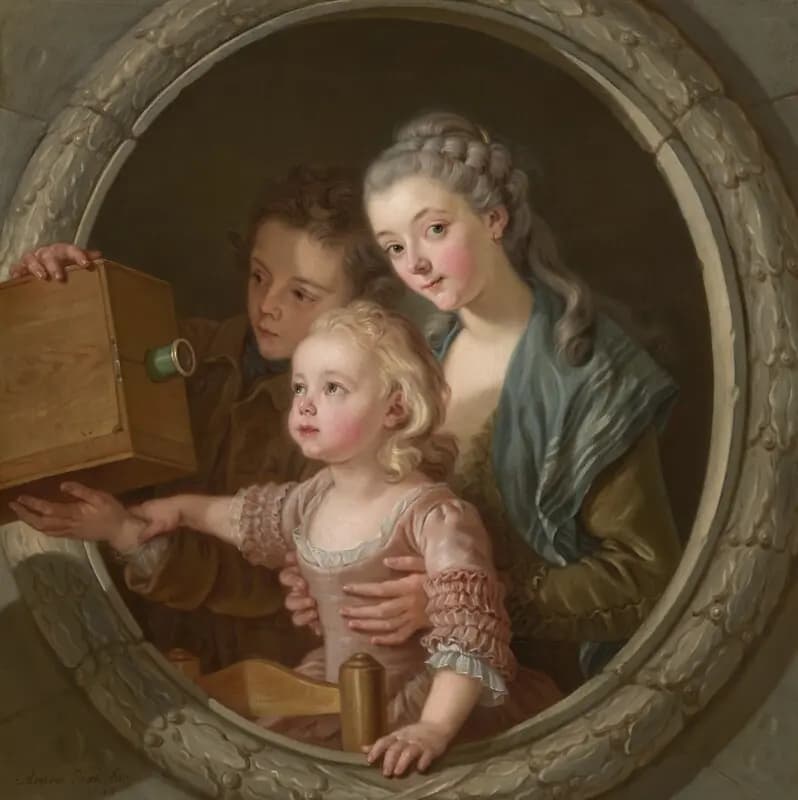
The Camera ObscuraНациональная галерея искусства, Вашингтон. Gift of Mrs. Robert W. Schuette · Источник изображения · Open Access NGA: изображение без ограничений использования (openaccess=1). The Camera Obscura
Атрибуция источника: Charles Amédée Philippe Van Loo
История бытования по музейному каталогу
Princess Anna Amalie of Prussia [1723-1787] (or possibly Princess Luise Amalie of Brunswick-Lüneburg [1722-1780]);[1] by descent to Emperor Wilhelm II [1859-1941], great-great-great grandnephew of Anna Amalie (great-great-great grandson of Luise Amalie);[2] (Wildenstein & Co., Inc., Paris, New York, and London); sold 1929 to Robert W. [d. 1935] and Florence Steuber Gaines Harkness [d. 1945] Schuette, New York;[3] gift 1945 to NGA. [1] The patron of this painting and NGA 1945.10.2 has never been identified, but they were in the Prussian royal collection by the late eighteenth century, and still in the possession of the Prussian imperial family in 1900, when they were included in the exhibition of Friedrich the Great's art collection at the Exposition Universelle in Paris. Paul Seidel, author of the catalogue, reported that the pictures had once been in the collection of Princess Anna Amalie, an unmarried sister of Friedrich the Great. In 1786 they were recorded as hanging in the "Palais der Prizessin Amalie" (likely her Amalienburg on Wilhelmstrasse, or another palace on Unter den Linden, in Berlin), and by 1800 in the Prussian royal palace of Charlottenburg, where they were still noted by Seidel in 1892 and in 1900. When they were exhibited in 1929 at Wildenstein's, and subsequently at The Metropolitan Museum of Art in 1935, reviewers of the exhibitions noted that the pendants came from the collection of the former German Emperor Wilhelm II. However it is not absolutely certain that the original owner of the pictures was Princess Anna Amelie of Prussia. They could also have belonged to Princess Luise Amelie of Prussia, married to Friedrich's brother, Prince Augustus Wilhelm, whose son continued the Hohenzollern family line in Prussia as King Friedrich Wilhelm II of Prussia (1744-1797); Friedrich the Great had no issue, so the crown went to his nephew. Descent was then direct to Emperor Wilhelm II of Prussia, who abdicated in 1918 and sold a number of Hohenzollern family pictures during the 1920s and 1930s. Princess Anna Amalie, though long relegated to relative obscurity, became the Abbess of Quedlinburg in 1755. That she was a composer of some repute, admired by the pupils and followers of Johann Sebastian Bach, attests to her culture, education, and accomplishments. Her artistic sensibilities must have extended to the visual arts for she owned a large collection of paintings, including works by Antoine Pesne, which she displayed in her two Berlin palaces. It is quite possible that the paintings could have passed from either princess to the royal collection of Friedrich the Great or his nephew, at least by 1800 when they are recorded at Charlottenburg. In favor of Luise Amalie is the mildly didactic nature of the paintings, which clearly were intended to teach and amuse a youthful audience, and would appear to be more suitable to a mother of four than to Anna Amalie the abbess, albeit one who lived in a secular manner. Secondly, Luise Amalie is known to have been a patron of Charles-Amédée-Philippe Van Loo, who painted her portrait (Sans Souci, Potsdam) in 1765, only one year after he executed the Washington pendants. Moreover, all three works are formally linked by means of the trompe l'oeil frames through which the figures are viewed. [2] Inv. no. GK I 3302, Generalkatalog of the imperial collection, compiled in the late 19th century; this information was kindly provided by Dr. Christoph M. Vogtherr, curator of paintings, Stiftung Preussische Schlösser und Gärten Berlin-Brandenburg, Potsdam, 13 April 1999, letter to Nancy Yeide (NGA curatorial files). [3] During the preparation of the NGA systematic catalogue of its French paintings of the 15th through the 18th century, Joseph Baillio of Wildenstein & Co. kindly provided the information about the company's sale of the painting to the Schuettes. See also _Art News_ 27, no. 19 (9 February 1929): 1, 12, repro.
1764 · oil on canvas · overall: 88.6 x 88.5 cm (34 7/8 x 34 13/16 in.) framed: 120.7 x 114.9 x 12.7 cm (47 1/2 x 45 1/4 x 5 in.) · National Gallery of Art, Washington · 1945.10.1
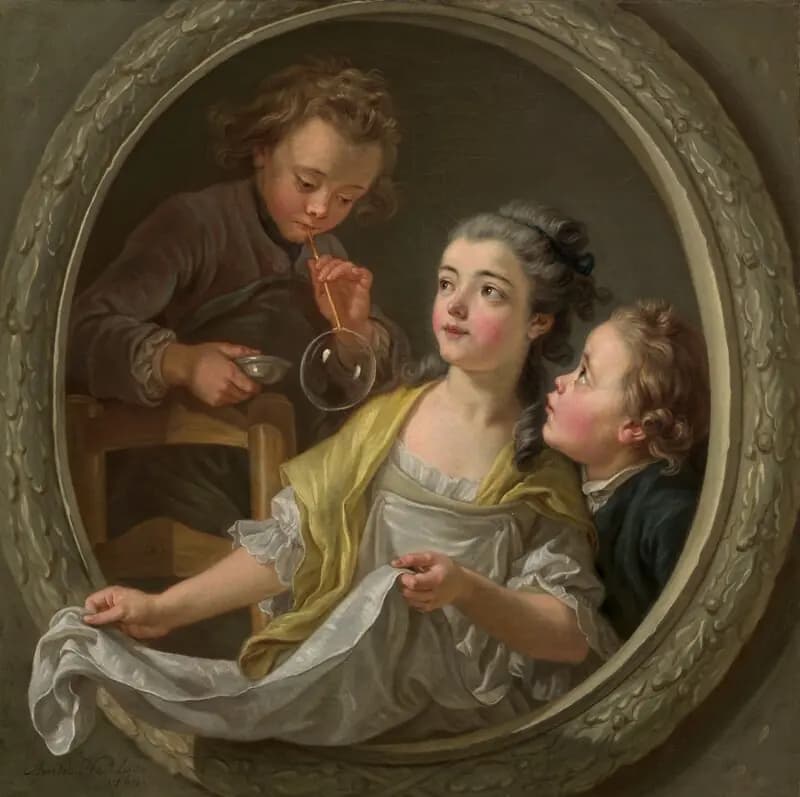
Soap BubblesНациональная галерея искусства, Вашингтон. Gift of Mrs. Robert W. Schuette · Источник изображения · Open Access NGA: изображение без ограничений использования (openaccess=1). Soap Bubbles
Атрибуция источника: Charles Amédée Philippe Van Loo
История бытования по музейному каталогу
Princess Anna Amalie of Prussia [1723-1787] (or possibly Princess Luise Amalie of Brunswick-Lüneburg [1722-1780]);[1] by descent to Emperor Wilhelm II [1859-1941], great-great-great grandnephew of Anna Amalie (great-great-great grandson of Luise Amalie);[2] (Wildenstein & Co., Inc., Paris, New York, and London); sold 1929 to Robert W. [d. 1935] and Florence Steuber Gaines Harkness [d. 1945] Schuette, New York;[3] gift 1945 to NGA. [1] The patron of this painting and NGA 1945.10.1 has never been identified, but they were in the Prussian royal collection by the late eighteenth century, and still in the possession of the Prussian imperial family in 1900, when they were included in the exhibition of Friedrich the Great's art collection at the Exposition Universelle in Paris. Paul Seidel, author of the catalogue, reported that the pictures had once been in the collection of Princess Anna Amalie, an unmarried sister of Friedrich the Great. In 1786 they were recorded as hanging in the "Palais der Prizessin Amalie" (likely her Amalienburg on Wilhelmstrasse, or another palace on Unter den Linden, in Berlin), and by 1800 in the Prussian royal palace of Charlottenburg, where they were still noted by Seidel in 1892 and in 1900. When they were exhibited in 1929 at Wildenstein's, and subsequently at The Metropolitan Museum of Art in 1935, reviewers of the exhibitions noted that the pendants came from the collection of the former German Emperor Wilhelm II. However it is not absolutely certain that the original owner of the pictures was Princess Anna Amelie of Prussia. They could also have belonged to Princess Luise Amelie of Prussia, married to Friedrich's brother, Prince Augustus Wilhelm, whose son continued the Hohenzollern family line in Prussia as King Friedrich Wilhelm II of Prussia (1744-1797); Friedrich the Great had no issue, so the crown went to his nephew. Descent was then direct to Emperor Wilhelm II of Prussia, who abdicated in 1918 and sold a number of Hohenzollern family pictures during the 1920s and 1930s. Princess Anna Amalie, though long relegated to relative obscurity, became the Abbess of Quedlinburg in 1755. That she was a composer of some repute, admired by the pupils and followers of Johann Sebastian Bach, attests to her culture, education, and accomplishments. Her artistic sensibilities must have extended to the visual arts for she owned a large collection of paintings, including works by Antoine Pesne, which she displayed in her two Berlin palaces. It is quite possible that the paintings could have passed from either princess to the royal collection of Friedrich the Great or his nephew, at least by 1800 when they are recorded at Charlottenburg. In favor of Luise Amalie is the mildly didactic nature of the paintings, which clearly were intended to teach and amuse a youthful audience, and would appear to be more suitable to a mother of four than to Anna Amalie the abbess, albeit one who lived in a secular manner. Secondly, Luise Amalie is known to have been a patron of Charles-Amédée-Philippe Van Loo, who painted her portrait (Sans Souci, Potsdam) in 1765, only one year after he executed the Washington pendants. Moreover, all three works are formally linked by means of the trompe l'oeil frames through which the figures are viewed. [2] Inv. no. GK I 3293, Generalkatalog of the imperial collection, compiled in the late 19th century; this information was kindly provided by Dr. Christoph M. Vogtherr, curator of paintings, Stiftung Preussische Schlösser und Gärten Berlin-Brandenburg, Potsdam, 13 April 1999, letter to Nancy Yeide (NGA curatorial files). [3] During the preparation of the NGA systematic catalogue of its French paintings of the 15th through the 18th century, Joseph Baillio of Wildenstein & Co. kindly provided the information about the company's sale of the painting to the Schuettes. See also _Art News_ 27, no. 19 (9 February 1929): 1, 12, repro.
1764 · oil on canvas · overall: 88.6 x 88.5 cm (34 7/8 x 34 13/16 in.) · National Gallery of Art, Washington · 1945.10.2
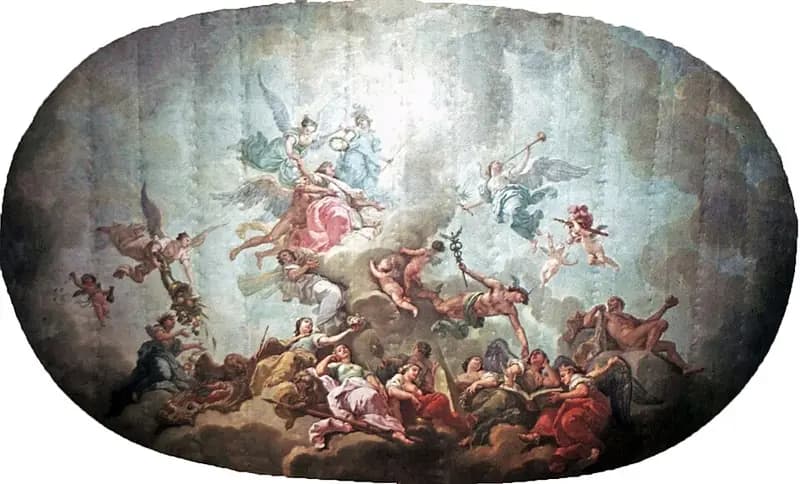
German: Die Erhebung des Großen Kurfürsten in den Olymp The Elevation of the Great Elector into OlympusCharles-Amédée-Philippe van Loo; Bildindex der Kunst und Architektur : object 20366819 – image file fmlac9003_18a.jpg Foto: Peter Cürlis; (color); Aufnahme-Datum: um 1944.04/1944.08; Zugang: (Dauerleihgabe Kunsthistorisches Institut der Universität Mainz). · Источник изображения · Public domain German: Die Erhebung des Großen Kurfürsten in den Olymp The Elevation of the Great Elector into Olympus
Атрибуция источника: Charles-Amédée-Philippe van Loo
Собрание не указано источником.
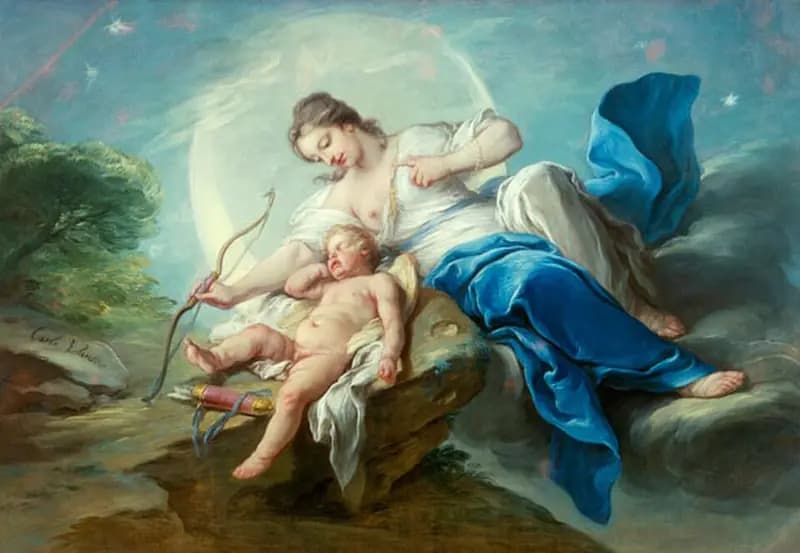
Amor is disarmed by DianaCharles-Amédée-Philippe van Loo; https://www.myartprints.com/a/van-loo-charles-amedee-ph/amor-is-disarmed-by-diana.html · Источник изображения · Public domain Amor is disarmed by Diana
Атрибуция источника: Charles-Amédée-Philippe van Loo
Собрание не указано источником.
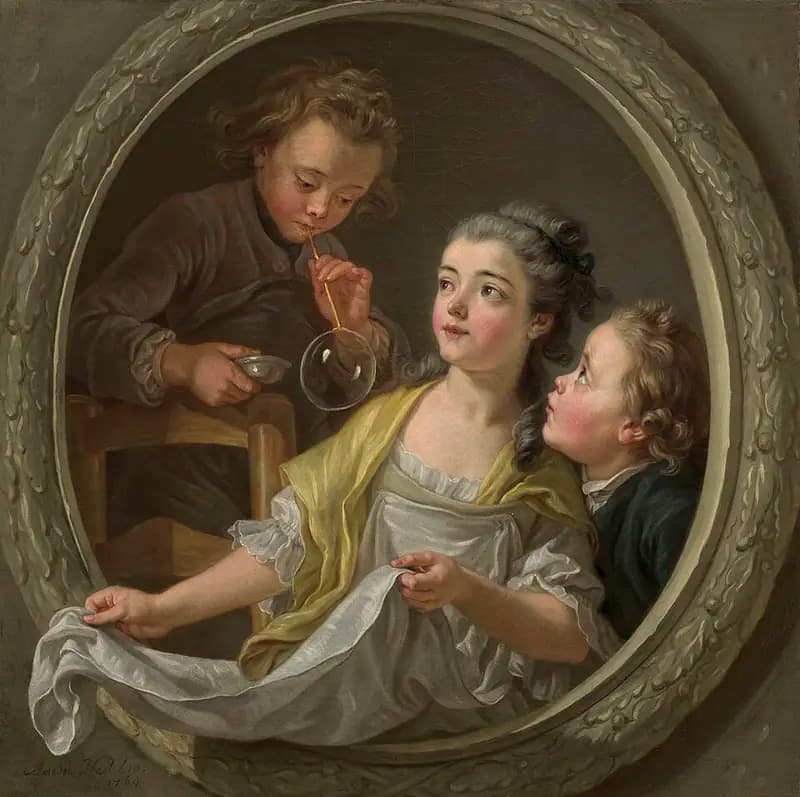
Soap BubblesCharles-Amédée-Philippe van Loo; http://www.nga.gov/content/ngaweb/Collection/art-object-page.32579.html · Источник изображения · Public domain Soap Bubbles
Атрибуция источника: Charles-Amédée-Philippe van Loo
Собрание не указано источником.
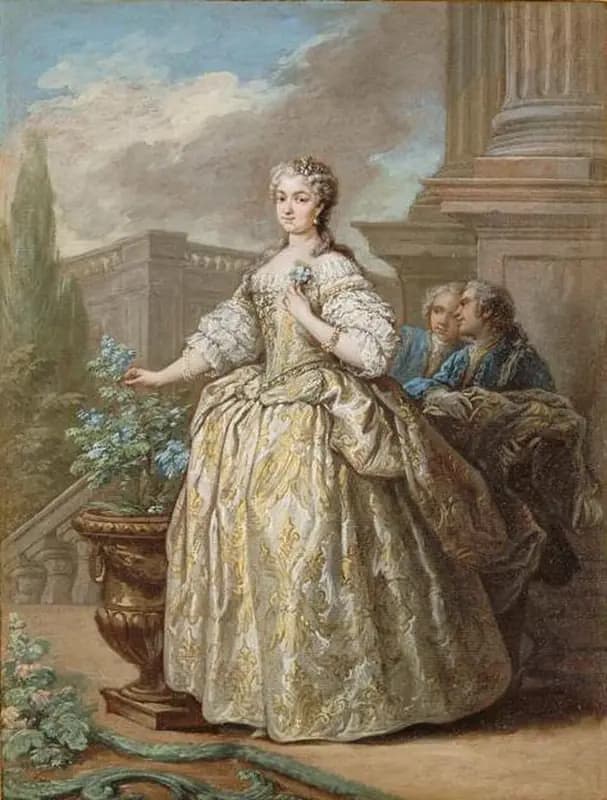
Marie Leczinska (1703-1768), reine de France, femme de Louis XVCharles-Amédée-Philippe van Loo; http://18thcenturylove.tumblr.com/post/3843832314/marie-leszczynska-reine-de-france-by-charles-van · Источник изображения · Public domain Marie Leczinska (1703-1768), reine de France, femme de Louis XV
Атрибуция источника: Charles-Amédée-Philippe van Loo
Собрание не указано источником.
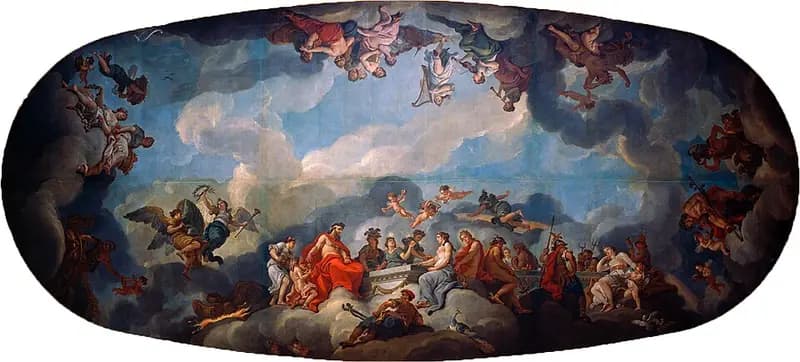
German: Die Einführung des Ganymed in den Olymp The Induction of Ganymede in Olympus.Charles-Amédée-Philippe van Loo; online · Источник изображения · Public domain German: Die Einführung des Ganymed in den Olymp The Induction of Ganymede in Olympus.
Атрибуция источника: Charles-Amédée-Philippe van Loo
Собрание не указано источником.
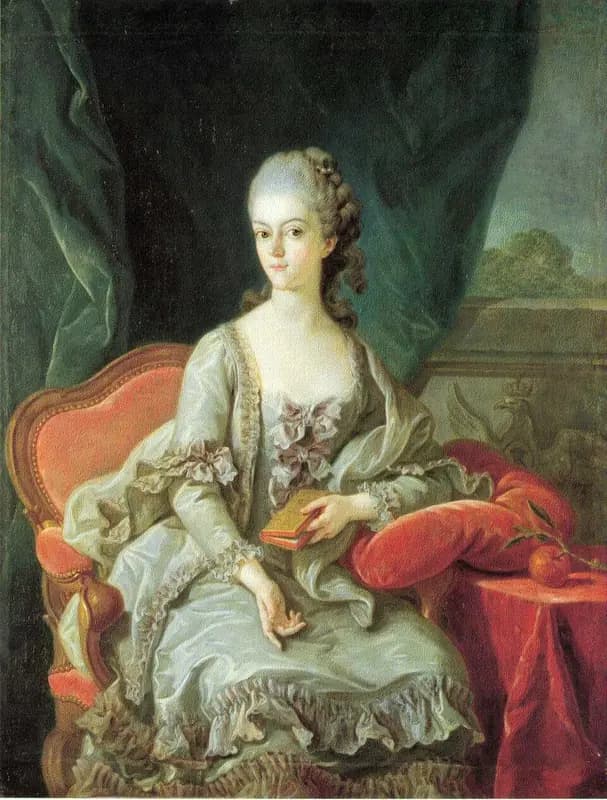
Charles-Amédée-Philippe van Loo - Portrait of a Princess of PrussiaCharles-Amédée-Philippe van Loo; royaltyguide.nl · Источник изображения · Public domain Charles-Amédée-Philippe van Loo - Portrait of a Princess of Prussia
Атрибуция источника: Charles-Amédée-Philippe van Loo
Собрание не указано источником.
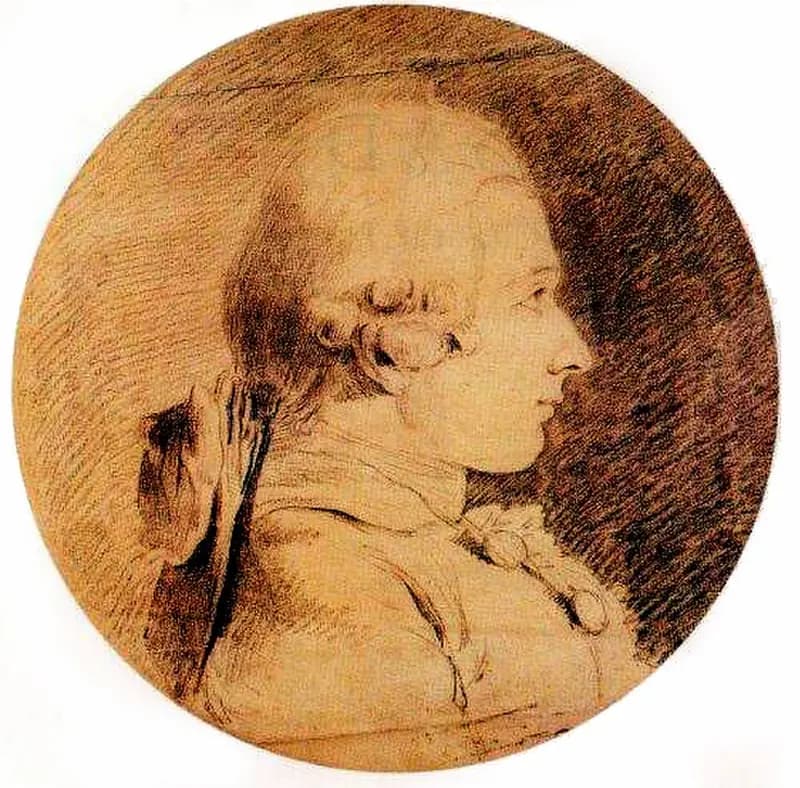
Portrait of Marquis de Sade (1740-1814)Charles-Amédée-Philippe van Loo; Greek Wikepia · Источник изображения · Public domain Portrait of Marquis de Sade (1740-1814)
Атрибуция источника: Charles-Amédée-Philippe van Loo
Собрание не указано источником.
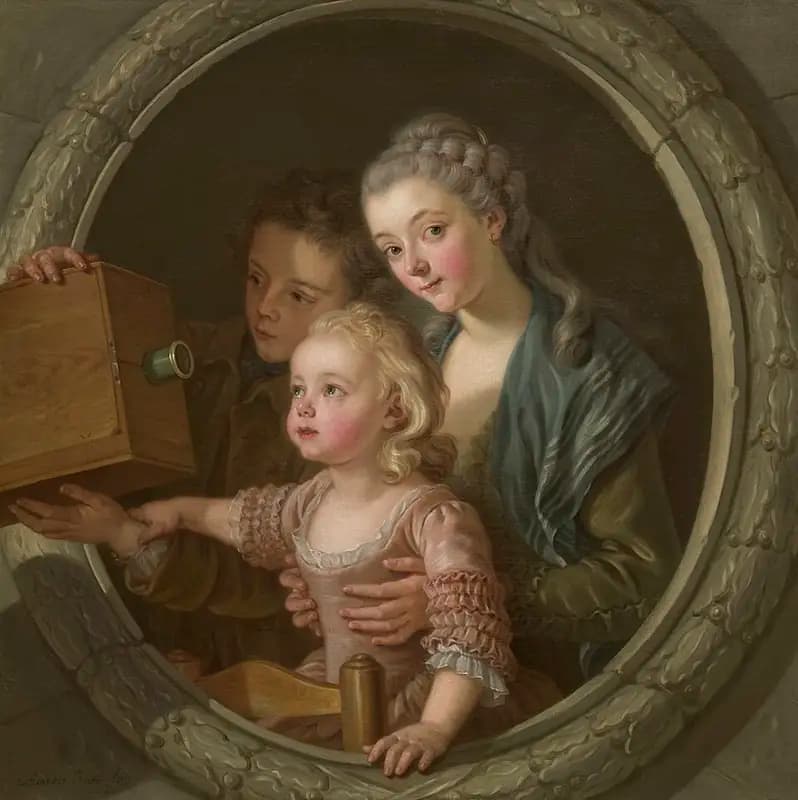
The Camera ObscuraCharles-Amédée-Philippe van Loo; http://www.nga.gov/content/ngaweb/Collection/art-object-page.32578.html · Источник изображения · Public domain The Camera Obscura
Атрибуция источника: Charles-Amédée-Philippe van Loo
Собрание не указано источником.


Дата подготовки справки: 11 ноября 2026 г..
Литература для дальнейшего исследования
- Conisbee, Philip, et al. French Paintings of the Fifteenth through the Eighteenth Century. The Collections of the National Gallery of Art Systematic Catalogue. Washington, D.C., 2009: 419. Источник библиографической записи
- Vogtherr, Christoph Martin. Nicolas Lancret: der Guckkastenmann. Berlin, 2003. Источник библиографической записи
- Friedrich Wilhelm ii und die Künste: Preußens Weg zum Klassizismus. Exh. cat. Stiftung Preußische Schlösser und Gärten, Berlin-Brandenburg, 1997. Источник библиографической записи
- Искусство стран и народов мира. Том 5 Источник библиографической записи
- А. Плюшар. Энциклопедический лексикон, том 8. — Типография А. Плюшара; С.-П., 1837 — с. 242 (Карлъ-Амедей-Филиппъ Ванлоо). Источник библиографической записи
Источники исследования
- National Gallery of Art — открытые данные коллекции (CC0)
- Wikidata — сведения об образовании, профессиональных связях и собраниях
- Википедия — полный текст статьи
- Национальная галерея искусства: открытые каталожные данные (CC0)
Условия использования метаданных приведены в источниках. Лицензия каждого изображения указана у репродукции.
Произведения
Справочные примеры творчества. Эти произведения не предлагаются к продаже нашим салоном.

The Camera Obscura
1764 · Национальная галерея искусства
Если у вас есть произведение этого автора
Для предварительного обсуждения подготовьте общий вид предмета, фотографии подписи, оборота или основания, размеры и сведения о происхождении. Музейные записи помогут уточнить творческий контекст автора.
Сотрудники салона рассмотрят материалы и обсудят необходимые дальнейшие исследования. На оценку влияют авторство, техника, время создания, сохранность и история владения.
Источники
Биографический текст подготовлен редакцией по указанным исследованиям и каталогам; справочные сведения и изображения сопровождаются отдельными источниками. Исторические сведения и атрибуция могут уточняться; исходные записи доступны по ссылкам.
- Биографические сведения — Wikidata
- Запись произведения — Wikidata
- Дополнительный источник: www.larousse.fr
- Дополнительный источник: www.nga.gov
- Дополнительный источник: ru.wikipedia.org
Структурированные данные Wikidata — CC0. Лицензия каждого изображения указана под ним. Портрет может быть живописным изображением или исторической фотографией.
Справочные фрагменты из статей Википедии и их авторов доступны на условиях CC BY-SA 4.0. Выполнены отбор, сокращение и редакционная обработка; ссылки на статьи приведены у соответствующих материалов. Лицензии изображений указаны отдельно.
 WhatsApp
 Telegram
 MAX